ABI Fluorescence Detection (RUO)2022-03-26T23:33:34-07:00


- INSTRUMENT
- PRODUCTS
- CLINICAL LAB SERVICES
- BIOBANK REPOSITORY
- DISEASES
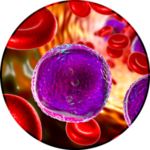
Lymphoma
Lymphoma is a cancer that starts in cells that are part of the body’s immune system. Knowing which type of lymphoma you have is important because it affects your treatment options and your outlook (prognosis). EXPLORE MENU ⟶
Browse our comprehensive menu of product & testing services.
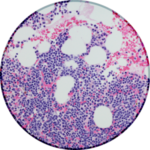
Myeloma
Multiple myeloma is a cancer of plasma cells. Normal plasma cells are found in the bone marrow and are an important part of the immune system.
- PARTNERSHIPS
- SCIENCE
- PUBLICATIONS
- NEWSROOM
- CAREERS & CULTURE
- COMPANY
- CONTACT
Global Search
SEARCH BY KEYWORD
Global Search
SEARCH BY KEYWORD
Looking for Product Documents?
Try our New Document Search Feature ⟶
Looking for Product Documents?
Try our New Document Search Feature ⟶

- INSTRUMENT
- PRODUCTS
- CLINICAL LAB SERVICES
- BIOBANK REPOSITORY
- DISEASES
- PARTNERSHIPS
- SCIENCE
- PUBLICATIONS
- NEWSROOM
- CAREERS & CULTURE
- COMPANY
- CONTACT